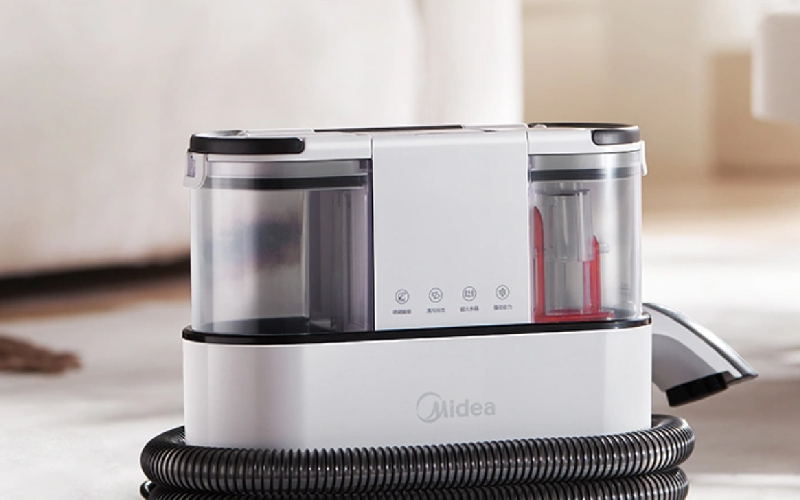
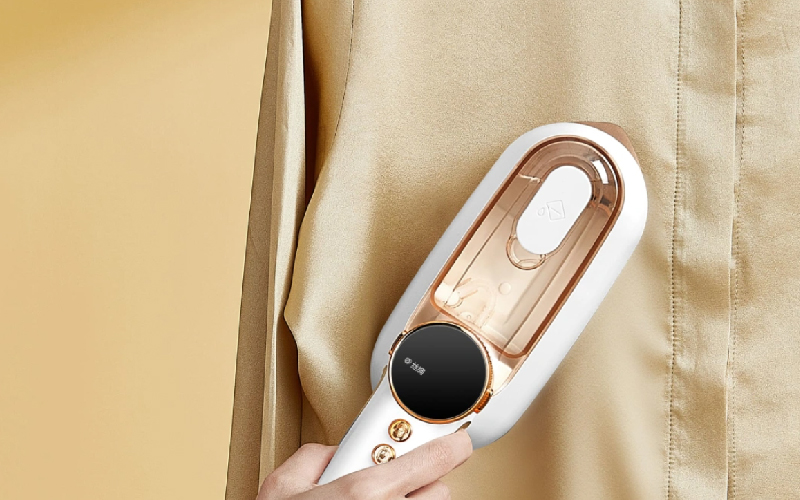
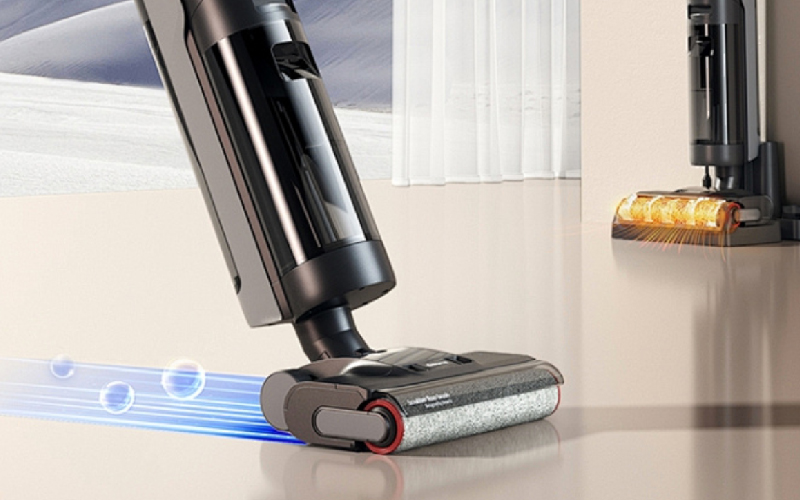
根据清洗物品的脏污程度和清洗要求,按照清洁剂的使用说明书,适量添加清洁剂。
1、 Preparation before use
Check the appearance of the machine
Check whether the outer shell of the cleaning machine is damaged, such as cracks, damages, etc. If the casing is damaged, it may affect the normal operation of the machine and even pose a safety hazard.
Check if the power cord is intact and if the plug is functioning properly to avoid issues such as leakage during use.
Placement location selection
Place the cleaning machine on a stable and dry surface. Ensure that there are no obstacles around the placement location and sufficient space to operate the machine and place items to be cleaned. If the ground is uneven, the machine may shake, produce noise, and even tip over during operation.
Connect water source
Find a suitable water source interface based on the type of cleaning machine. Some cleaning machines can be directly connected to the faucet, and in this case, a matching water pipe joint is needed to tightly connect the inlet pipe of the cleaning machine to the faucet.
For some cleaning machines that use independent water tanks, it is necessary to first remove the water tank, fill it with clean water, and then install it back into the machine. Pay attention to the secure installation of the water tank to prevent water leakage.
Add cleaning agent (if needed)
Check the position of the cleaning agent addition port on the cleaning machine. There are usually specialized containers or channels for adding cleaning agents.
According to the degree of dirt and cleaning requirements of the cleaning items, add a suitable amount of cleaning agent according to the instructions for use. For example, when cleaning items with heavy oil stains, an appropriate amount of strong oil stain cleaner can be added; To clean items with general dust, ordinary cleaning solution can be added.
2、 Power on operation
plug in
Insert the plug of the cleaning machine into a power outlet that meets the requirements. Ensure that the socket is well grounded and the voltage matches the rated voltage of the cleaning machine. The rated voltage of a typical household cleaning machine is 220V, but the voltage of some industrial cleaning machines may be different.
Turn on the power switch
Find the power switch button on the cleaning machine casing and press the button to turn on the cleaning machine. At this time, the machine may have some self checking programs, such as flashing indicator lights or brief motor operation, which is a normal phenomenon.
3、 Adjust cleaning parameters (if available)
Pressure adjustment
Many cleaning machines can adjust the cleaning pressure. Adjust the pressure according to the material and degree of dirt of the cleaning object. For example, when cleaning the surface of a car, the pressure can be appropriately reduced, usually around 50-100 bar, to avoid damaging the car paint; When cleaning stubborn stains on the ground, the pressure can be increased to 100-200 bar.
Nozzle selection and adjustment
Cleaning machines are usually equipped with different types of nozzles. Fan shaped nozzles can be used for large-scale cleaning, such as cleaning walls, floors, etc; Column shaped nozzles can be used for concentrated cleaning of stubborn stains, such as cleaning corners with heavy stains. Select the appropriate nozzle according to the cleaning task and install it on the spray gun.
Adjust the angle and spraying distance of the nozzle. For example, when cleaning objects at heights, the nozzle angle can be adjusted upwards and the spraying distance can be appropriately increased; When cleaning low objects, adjust the nozzle angle downwards.
4、 Start cleaning
Handheld spray gun operation
Grasp the handle of the spray gun and place your fingers on the trigger of the spray gun. Before pulling the trigger, aim the spray gun at the object to be cleaned and maintain an appropriate distance (usually depending on the type and pressure of the nozzle, the distance between the fan-shaped nozzle can be slightly farther, and the distance between the columnar nozzle should be closer, about 10-30 centimeters).
Slowly pull the trigger to start spraying the cleaning solution onto the surface of the object. Clean objects in a certain order, such as from left to right, top to bottom, to ensure that the entire surface of the object can be cleaned. For example, when cleaning a car, start with the roof, then the hood, sides of the body, rear of the car, etc.
Precautions during the cleaning process
Pay attention to the cleaning effect. If you find that some stains have not been cleaned, you can adjust the nozzle angle, increase pressure, or extend the cleaning time appropriately.
Avoid aiming the spray gun at the human body, electrical equipment, etc. The high-pressure spray of cleaning solution may cause harm to the human body, such as scratching the skin; If sprayed onto electrical equipment, it may cause damage to the device.
5、 Operation after cleaning is completed
Close the trigger of the spray gun
After the cleaning task is completed, release the trigger of the spray gun and stop spraying the cleaning solution.
Turn off the power of the cleaning machine
Press the power off button on the cleaning machine casing to cut off the power.
Drainage (if necessary)
If the cleaning machine is connected to a faucet, turn off the faucet first, and then drain the remaining water in the machine. Some cleaning machines have drainage ports or drainage buttons, which can be operated to drain water; For cleaning machines without drainage function, the remaining water can be discharged through the spray gun by starting the machine.
Cleaning and storage
Disassemble the nozzle and spray gun, rinse with clean water, and remove residual cleaning agents and stains. After drying the cleaned nozzle and spray gun, store them properly in the designated storage location on the machine.
Clean the machine casing, wipe the machine surface with a damp cloth to remove dust and stains.
Store the cleaning machine in a dry and ventilated place, avoiding direct sunlight and humid environments to prevent damage to the machine.